
b

products

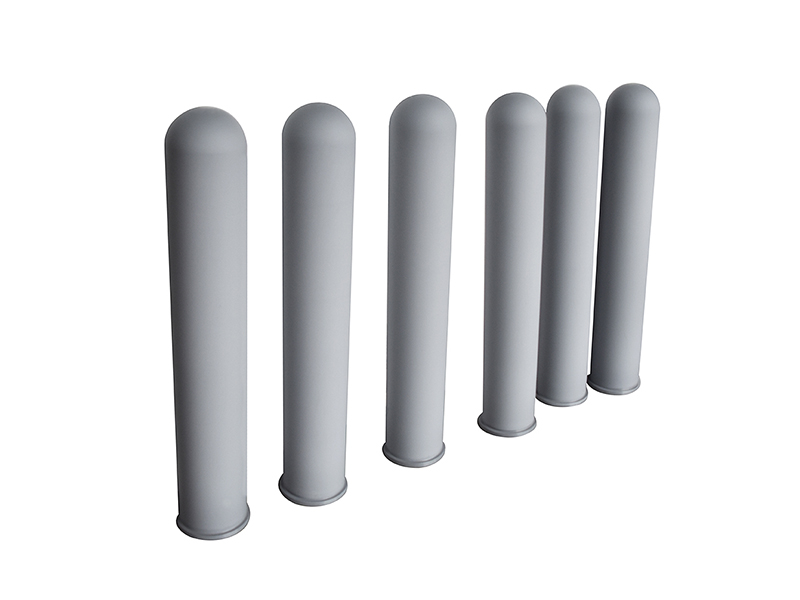
Silicon Nitride (Si₃N₄) Protection Tubes for the Molten Aluminum Industry
short description:

1. Why Protection Tube Material Matters in Molten Aluminum

In an aluminum foundry, the protection tube is the only barrier between a temperature sensor, an immersion heater, or a melt-contact component and a 660–900 °C bath of molten aluminum. It must survive direct contact with corrosive liquid metal, repeated thermal shock from raising and lowering, and the build-up of dross — while never contaminating the alloy it protects.

Traditional tubes fail these demands. Cast iron and alloy steel are attacked by the melt and leach iron into the aluminum, which destroys the ductility of the casting. Graphite oxidizes rapidly and introduces carbon contamination. Alumina offers reasonable corrosion resistance but is brittle and cracks under thermal cycling. Pure silicon nitride (Si₃N₄) solves all of these problems at once.

2. Core Advantages of Pure Silicon Nitride (Si₃N₄)

2.1 Non-Wetting to Molten Aluminum

Pure Si₃N₄ is thermodynamically stable in contact with molten aluminum and exhibits virtually zero wetting — the melt beads up and rolls off its surface instead of adhering. This eliminates dross build-up, keeps the melt free of impurities, and makes the tube essentially maintenance-free. It is a decisive advantage for high-purity structural castings where iron or carbon contamination is unacceptable, such as aluminum wheel hubs.

2.2 Exceptional Thermal Shock Resistance

Silicon nitride has one of the highest thermal shock resistance ratings among technical ceramics. A Si₃N₄ tube can be dipped directly into molten metal without preheating and withdrawn repeatedly without cracking — even across weekend shutdowns and intermittent production. This simplifies operation, removes the preheating step, and eliminates the cracking failures that plague alumina tubes.

2.3 Corrosion and Oxidation Resistance

Gas-pressure-sintered silicon nitride achieves near-zero porosity and resists chemical attack from molten aluminum and standard alloying elements such as magnesium and zinc. It is fully suitable for 5000 and 7000 series alloys without material degradation, and unlike graphite it does not oxidize in high-temperature service.

2.4 High Strength and Density

With a flexural strength of roughly 580 MPa or higher and a density of 3.1–3.3 g/cm³, silicon nitride withstands the high speeds and mechanical loads of degassing rotors and the repeated mechanical cleaning of thermocouple wells. It is denser and stronger than reaction-bonded and competitive ceramic grades.

2.5 Low Thermal Expansion and Long Service Life

A low coefficient of thermal expansion keeps dimensions stable over years of service, preserving measurement accuracy and component geometry. In real foundry service, pure Si₃N₄ protection tubes deliver 12 months to 2–3 years of continuous operation, far beyond cast iron (1–2 weeks), silicon carbide (1–3 months) or alumina.

3. Pure Si₃N₄ vs. Conventional Protection Tube Materials

Property

Cast Iron

Graphite

Alumina (Al₂O₃)

Pure Si₃N₄

Resistance to melt attack

Poor

Poor (oxidizes)

Good

Excellent

Thermal shock resistance

Fair

Poor

Fair

Excellent

Melt contamination

Iron

Carbon

Low

None

Typical service life

1–2 weeks

Frequent replacement

3–12 months

12 months – 3 years

Maintenance

Constant replacement

High

Moderate

Nearly zero

Table 1. Comparison of protection tube materials in molten aluminum service.

4. Real-World Application Cases

Case 1 — Die Casting: From Weekly Changes to Annual Reliability

A die-casting line suffering frequent cracking of its ceramic protection tubes replaced the standard (alumina) tubes with a single Si₃N₄ tube. The result: the one silicon nitride tube survived a full year of production, including numerous weekend shutdowns, eliminating thermal crack failures. The station saved the direct cost of 30+ alumina tubes and over 60 hours of maintenance labor, while consistent temperature readings improved shot consistency and reduced porosity-related scrap. (Source: SF-Foundry)

Case 2 — Molten Aluminum Casting: Scrap Rate Cut from 4% to 0.8%

A molten aluminum casting operation switched its thermocouple protection wells from cast iron to a silicon-nitride-based (Sialon) material. The high modulus of rupture withstood daily mechanical cleaning with zero breakage, and precise thermal control reduced the scrap rate from 4% to 0.8%. Although the initial unit cost was higher, eliminating weekly replacements and cutting scrap delivered a net saving of $42,000 per furnace per year. (Source: AdTech)

Case 3 — Immersion Heaters: 2–3 Years of Continuous Operation

Foundries protecting immersion heaters in in-line degassing and dosing systems (e.g., ALPUR, SNIF, Hertwich, Striko Westofen) report 2–3 years of continuous silicon nitride heater-tube service with minimal cleaning — far superior to cast iron or aluminium titanate riser tubes, which fail quickly or require frequent replacement. (Source: Sialon Ceramics)

Case 4 — Thermocouple Sheaths: 12 Months vs. Cast Iron’s 3–4 Weeks

In molten aluminum, zinc and magnesium service, a premium silicon nitride (Sialon) thermocouple sheath delivers a service life of up to 12 months. By comparison, cast iron sheaths erode in only 3–4 weeks while contaminating the melt with iron, demanding constant replacement and risking casting quality. (Source: Hongtai Heating Elements)

5. Service Life Comparison at a Glance

Material

Typical Service Life

Cast iron

1–2 weeks

Silicon carbide (SiC)

1–3 months

Alumina (Al₂O₃)

3–12 months

Pure Si₃N₄ / Sialon

12 months – 3 years

Table 2. Typical service life of protection tube materials in molten aluminum.

6. Application in the Field

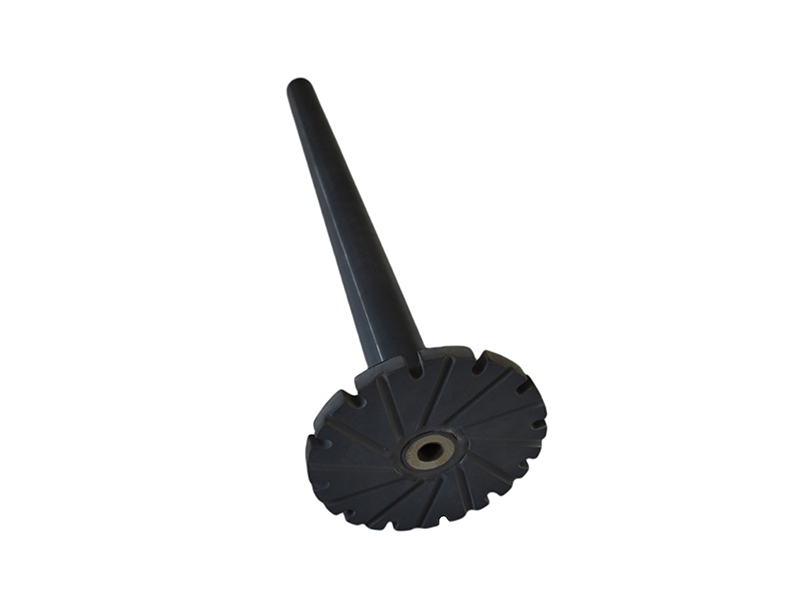
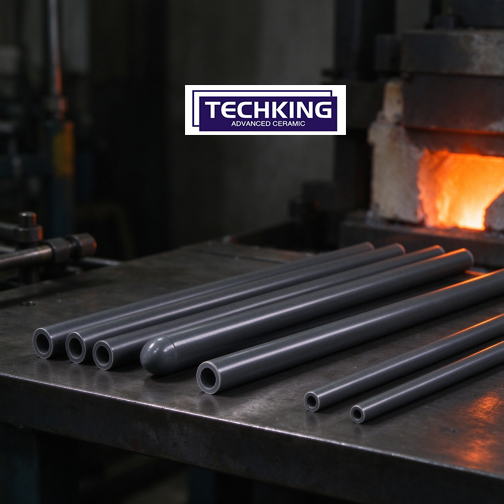
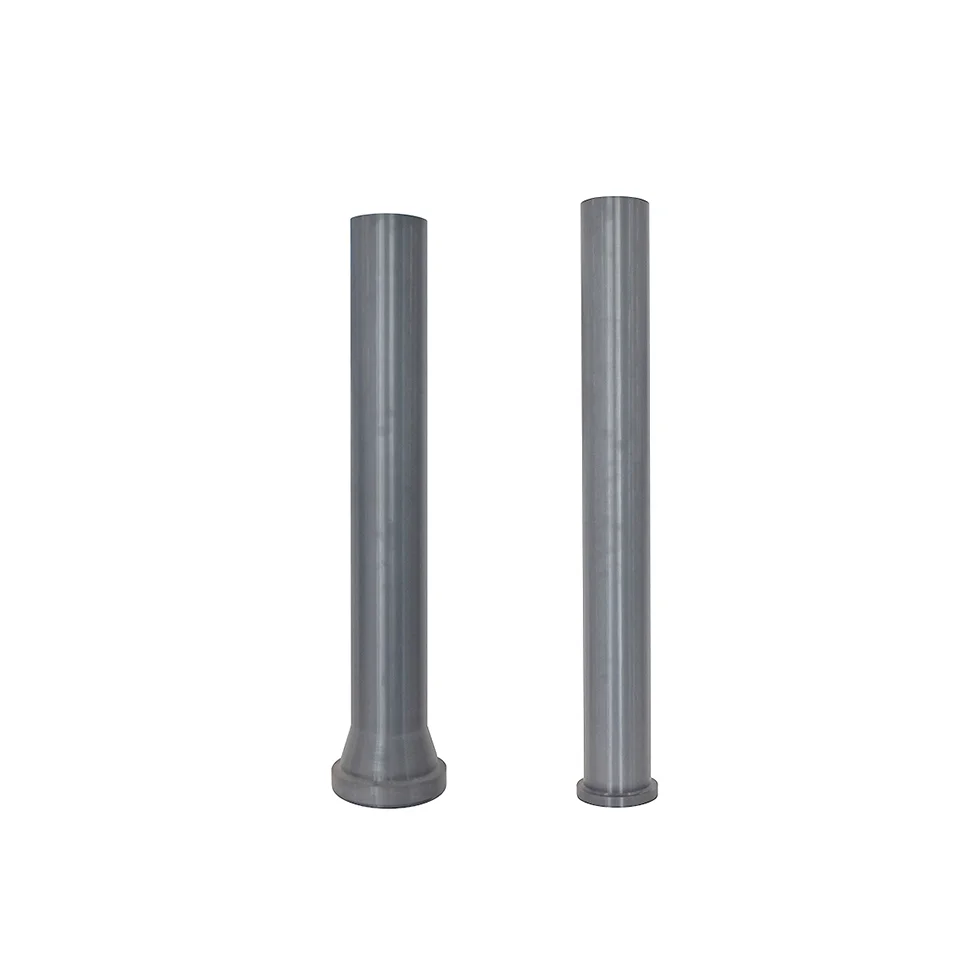
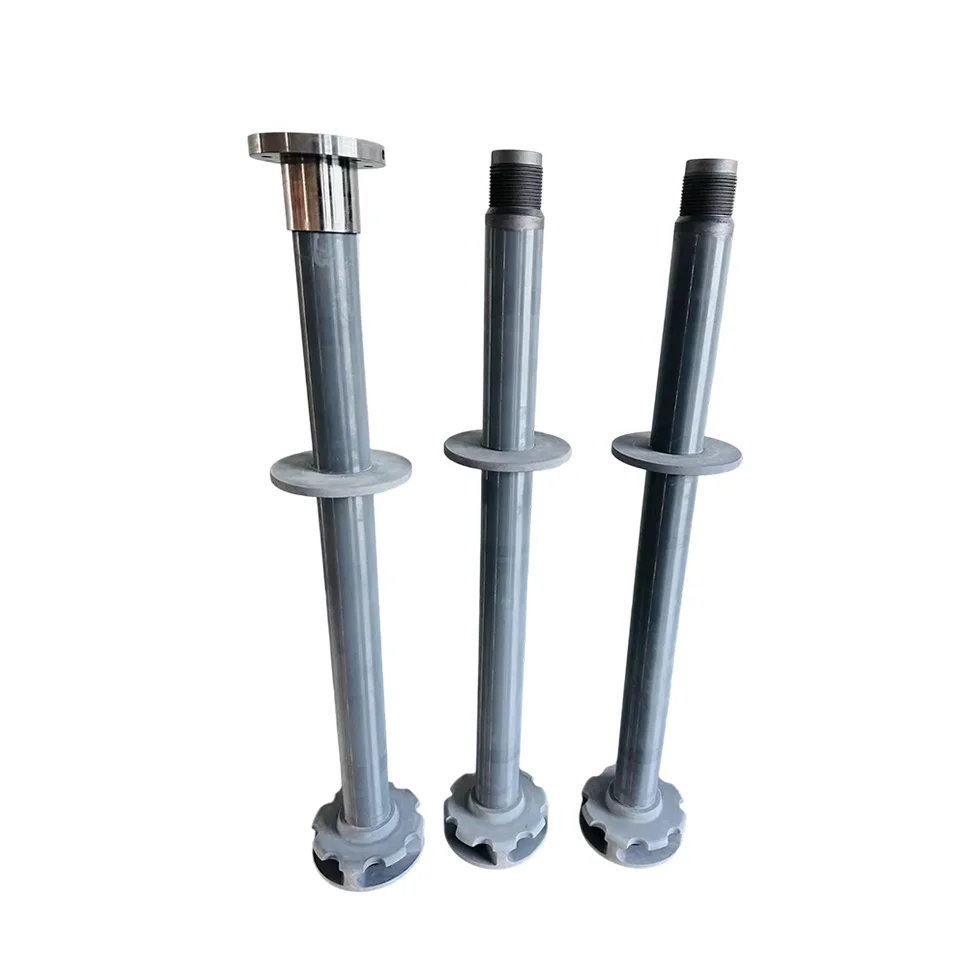
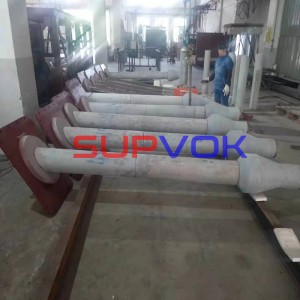
Pure silicon nitride protection tubes are proven in aluminum melting, holding, degassing and die-casting around the world, as illustrated below.


Product Detail

Product Tags

Silicon nitride ball valves

Silicon nitride ball valves are widely used in photovoltaic, coal chemical, electric power, metallurgy, petroleum, petrochemical and other industries.

The silicon nitride ball valve with silicon nitride ball and valve seat as the core has the characteristics of erosion resistance, corrosion resistance, high and low temperature resistance. At the same time, the silicon nitride ball valve has self-lubricating property, low friction coefficient in the process of valve opening and closing, closer coupling between valve core and valve seat, better sealing performance, and its service life is dozens of times that of ordinary steel ball valves.

The floating ball valve of our company adopts the full bore structure design, and the one-piece or two-piece cast (forged) valve body. Through the quantitative compression of the reliable sealing ring, the sealing problem of the middle flange is solved to ensure no leakage.

The large diameter floating ball valve is designed with a drift diameter structure. The two or three body cast (forged) valve body is integrally filled with a letter. The leakage at the filling section is avoided. The middle flange seal adopts quantitative compression to avoid leakage.

Floating ball valves are widely used in silicon chemical industry, coal chemical industry, electric power, metallurgy, petroleum, petrochemical and other industries. They can achieve single or two-way sealing according to requirements. They have a long service life and good sealing performance in response to severe working conditions.

Silicon nitride coil supports

Silicon nitride coil supports are widely used as sensors in underground mining, geological exploration and other fields.

As the coil rack of the sensor coil, the silicon nitride coil rack mainly applies the ultra-high hardness performance of silicon nitride ceramics and the nonmagnetic insulation of silicon nitride ceramics. As the sensor coil rack, it must be insulated and nonmagnetic in order to accurately transmit the collected data; At the same time, as a sensor for depth exploration, the underground environment is generally complex, and only the support with high hardness can protect the sensor from damage. In addition, the silicon nitride support has certain protective effects on the sensor coil due to its anti-corrosion, high and low temperature resistance, and low coefficient of thermal expansion.

Silicon nitride bulletproof sheet

Silicon nitride bulletproof sheet is mainly used in bulletproof armor and spacecraft shell.

The ceramic armor system is composed of a single ceramic or ceramic metal composite and a nylon cloth layer (glass fiber can also be used) covered with high tensile strength organic fiber. Under the impact of bullets (speed>700), the ceramic front is broken, while the remaining energy is absorbed by the reverse soft reinforcement (such as nylon cloth layer), while the silicon nitride bulletproof sheet has high hardness, The high modulus can prevent it from deforming inwards when it is impacted by bullets, so that bullets cannot penetrate the bulletproof clothing, thus playing a protective role. At the same time, compared with metal bulletproof sheets, silicon nitride bulletproof sheets have the characteristics of close to zero porosity, low water absorption, low density, and difficult to produce oxides on the surface. For armored vehicles, in order to increase mobility, they have been looking for lightweight, while the silicon nitride density is less than 40% of the steel density.
  • Previous:
  • Next:

  • Write your message here and send it to us